Get to know Kitulo National Park
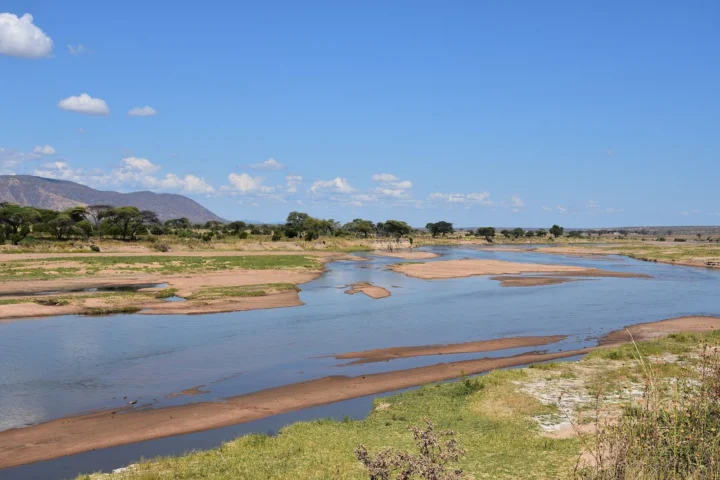
Kitulo National Park is a protected landscape in Tanzania.
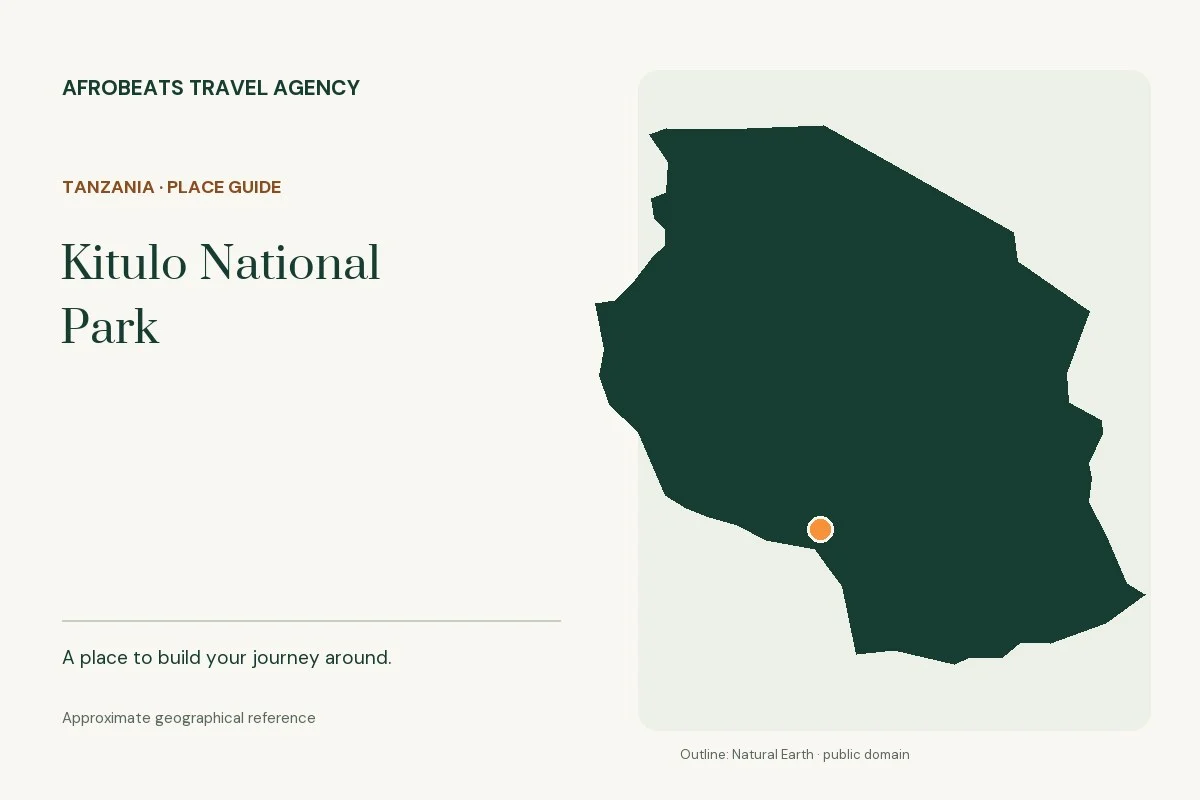
The geographical record places it in the Njombe Region area.
As a geographical reference, Kitulo National Park is approximately 45 km from Mbeya in a straight line. This comparison helps locate the place on a map; it is not a road distance or a transfer-time estimate.
Explore the surrounding map
These places lie nearby geographically. They are ideas to discuss together, with the practical route and access checked before adding stops:
- Poroto Mountains · about 11 km in a straight line
- Kipengere Range · about 20 km in a straight line
- Mount Rungwe · about 24 km in a straight line
Give the landscape time
Build your visit around a permitted activity rather than a rushed crossing. Ask which visitor gate, guide and vehicle arrangements apply, and whether early departures or overnight stays suit the agreed route. Wildlife sightings depend on conditions; they are never promised.
Before you visit
Confirm conservation fees, activity permits and any restrictions separately. Keep wildlife at a respectful distance and follow the instructions of the responsible ranger or guide.
Build this into a journey
Start a conversation about Kitulo National Park with the travel team. Share your dates, the number of travellers, your interests and any access needs. We will check the visiting arrangements and explain whether a stop works with your chosen route.
One starting point is Ruaha Wildlife Journey. Its displayed price covers its own proposed itinerary; it is not an entry ticket or a confirmed package for Kitulo National Park. Any extra transport, guide, admission or activity is confirmed and quoted separately before booking.
Place information & sources
This guide identifies a real place and helps with early planning. Geography sources support the location; they do not certify opening hours, public access or supplier availability. Checked on 4th October 2026.
LOCATE THIS PLACE
Approximate reference point · -9.0167°, 33.8500°
Open the mapThe reference point identifies the place; confirm the visitor entrance and route with your guide.